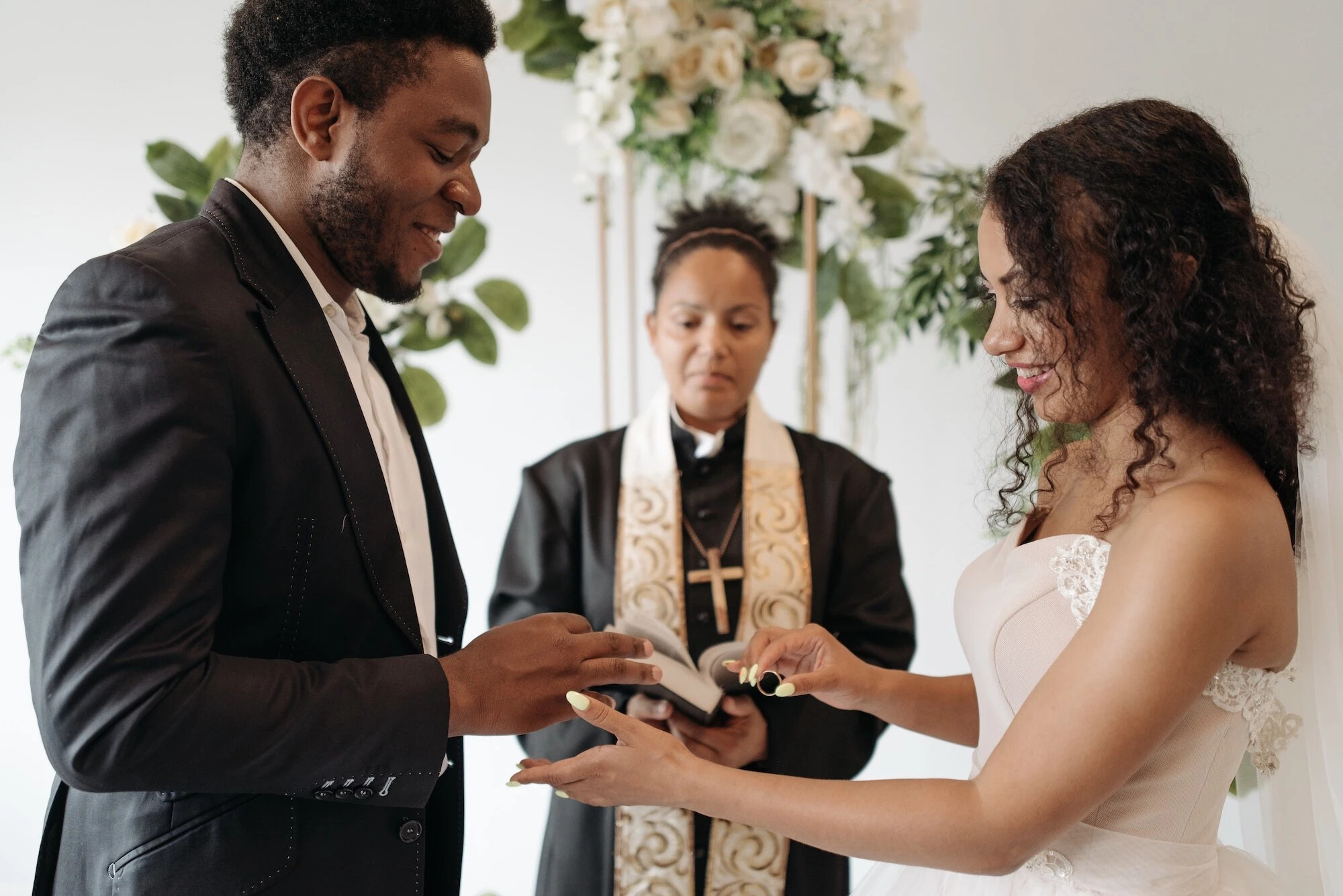
Obtaining a U.S. green card through marriage is one of the most common pathways to permanent residency. This process allows a foreign national married to a U.S. citizen or lawful permanent resident (LPR) to apply for permanent residency, which grants them the legal right to live and work in the United States. However, this path requires meeting specific eligibility requirements, submitting various forms, and undergoing background checks and interviews. This guide provides a comprehensive overview of the entire process, from eligibility to receiving the green card.
1. Understanding the Marriage-Based Green Card Process
A marriage-based green card is available to individuals married to a U.S. citizen or lawful permanent resident. However, obtaining a green card through marriage is a complex, multi-step process that requires applicants to prove their marriage is genuine and not solely for immigration benefits.
Eligibility Requirements
To apply for a marriage-based green card, the following conditions must be met:
- Legal Marriage – The marriage must be legally recognized in the country or jurisdiction where it took place.
- Marriage to a U.S. Citizen or Lawful Permanent Resident – The sponsoring spouse must be either a U.S. citizen or a green card holder.
- Good Faith Marriage – The marriage must be entered into in good faith, meaning it is based on a genuine relationship and not solely for immigration benefits.
- No Legal Barriers – The applicant must not be subject to inadmissibility grounds, such as previous immigration violations or criminal history.
2. Steps to Obtain a Green Card Through Marriage
The process for obtaining a green card through marriage depends on whether the foreign spouse is inside or outside the United States. Below are the two main pathways:
Pathway 1: Adjustment of Status (For Spouses in the U.S.)
If the foreign spouse is already in the United States, they may apply for a green card through adjustment of status, allowing them to obtain permanent residency without leaving the country.
Step 1: File Form I-130 (Petition for Alien Relative)
The U.S. citizen or green card holder must file Form I-130, Petition for Alien Relative, with U.S. Citizenship and Immigration Services (USCIS). This form establishes the marital relationship. Required documents include:
- A copy of the marriage certificate
- Proof of the petitioner’s U.S. citizenship or green card status
- Proof of a bona fide marriage (photos, joint financial records, affidavits from family/friends)
- Divorce or death certificates if either spouse was previously married
Step 2: File Form I-485 (Application to Adjust Status)
If the foreign spouse is already in the U.S., they can file Form I-485, Application to Register Permanent Residence or Adjust Status, concurrently with Form I-130 (if married to a U.S. citizen) or after I-130 approval (if married to an LPR). Required documents include:
- Birth certificate
- Passport and visa records
- Medical examination report (Form I-693)
- Proof of lawful entry (I-94 travel record)
Step 3: Biometrics Appointment
The foreign spouse will receive a biometrics appointment notice to provide fingerprints, a photograph, and a signature for background checks.
Step 4: Attend the Marriage Interview
Both spouses will be required to attend an interview with a USCIS officer to verify the authenticity of their marriage. The officer may ask questions about their relationship, living arrangements, and daily life.
Step 5: Receive a Green Card
If the application is approved, the foreign spouse will receive either:
- A conditional green card (valid for two years) if the marriage is less than two years old at the time of approval
- A permanent green card (valid for ten years) if the marriage is more than two years old
Pathway 2: Consular Processing (For Spouses Outside the U.S.)
If the foreign spouse lives outside the U.S., they must apply for a green card through consular processing at a U.S. embassy or consulate.
Step 1: File Form I-130
The U.S. citizen or green card holder must submit Form I-130 along with supporting documents.
Step 2: National Visa Center (NVC) Processing
Once USCIS approves Form I-130, the case is transferred to the National Visa Center (NVC), which requires additional forms and documents, including:
- Form DS-260 (Immigrant Visa Application)
- Affidavit of Support (Form I-864)
- Civil documents (birth certificate, police clearance, marriage certificate)
Step 3: Attend Visa Interview at U.S. Consulate
The foreign spouse will attend an interview at the U.S. consulate in their home country, where a consular officer will ask about their marriage and background. If approved, they will receive a visa to enter the U.S.
Step 4: Enter the U.S. and Receive Green Card
Upon entry, the foreign spouse will be admitted as a lawful permanent resident and receive their green card in the mail.
3. Removing Conditions on a Conditional Green Card
If the marriage is less than two years old when the green card is issued, the foreign spouse receives a conditional green card valid for two years. To maintain permanent resident status, the couple must jointly file Form I-751 (Petition to Remove Conditions on Residence) within 90 days before the card expires.
Required documents include:
- Proof of a bona fide marriage (joint financial records, lease agreements, tax filings)
- Birth certificates of children born during the marriage
- Affidavits from friends and family confirming the relationship
If the couple divorces before filing Form I-751, the foreign spouse may still apply with a waiver if they can prove the marriage was entered into in good faith.
4. Common Challenges and How to Overcome Them
Proving a Bona Fide Marriage
USCIS is strict about preventing marriage fraud. To prove a genuine marriage, couples should provide:
- Joint bank account statements
- Mortgage or rental agreements with both names
- Photos together at different events
- Travel records of trips taken together
- Affidavits from friends and family
Addressing Immigration Inadmissibility
Some applicants may face inadmissibility due to prior immigration violations or criminal history. Waivers may be available depending on the circumstances.
Delays in Processing
Processing times vary based on the applicant’s country of origin and USCIS workload. Ensuring all required documents are submitted correctly can help prevent delays.
5. Benefits of Obtaining a Green Card Through Marriage
Legal Work Authorization
Green card holders can work legally in the U.S. without needing an additional work visa.
Path to U.S. Citizenship
After three years as a green card holder (if married to a U.S. citizen), the foreign spouse may apply for U.S. citizenship through naturalization.
Access to Social Benefits
Permanent residents can access benefits such as healthcare, education, and Social Security (after meeting eligibility criteria).
Obtaining a U.S. green card through marriage is a structured process that requires careful documentation and adherence to immigration laws. Whether applying from within the U.S. or through consular processing abroad, following the proper steps can ensure a smooth transition to permanent residency. While challenges such as proving a bona fide marriage and processing delays may arise, being well-prepared and providing strong supporting evidence can significantly improve the chances of approval.
For those embarking on this journey, understanding the legal requirements and staying informed about changes in immigration laws can make the process easier. Consulting an immigration attorney may also be beneficial for navigating complex cases. With patience and proper planning, a marriage-based green card can open the door to a new life in the United States.